From Vibe to Glory: Launching My First 2026 App in Under 4 Hours
Key Takeaways
It is January 2nd, 2026. While most of the world is still shaking off the New Year's Eve fog or contemplating resolutions they’ll break by Tuesday, I’ve already shipped.
A few weeks ago, I laid out a manifesto for the year: Vibe Coding: How I Build Revenue-Generating Apps at Speed. I made a public commitment to a grueling but exhilarating journey I’m calling Side Project to Glory. The goal? 24 revenue-ready apps in 12 months.
Today, the first flag is planted. Project 1/24 is live: GetFileMock.com.
This isn't just a post about a new tool. It’s a post-mortem on the "Vibe Coding" workflow in the early days of 2026. It’s about how I used a multi-agent AI team to build a functional utility in hours, and why the future of software isn’t about writing code—it’s about orchestrating intent.
The Genesis: Why GetFileMock?
Every developer has been there. You’re building a file upload feature. You need to test if your backend correctly rejects a 50MB PDF. You need to see if your frontend handles a corrupted PNG without crashing. You need to check if your video processing pipeline can handle an 8K MKV file.
Where do you get these files? You scavenge. You search your "Downloads" folder. You go to sketchy "sample file" websites from 2012 that are riddled with ads. You manually rename a .txt to a .jpg and hope for the best.
It’s a tiny, nagging friction point that happens a thousand times a day. I wanted to kill that friction. GetFileMock.com is the solution: a clean, instant, client-side generator for any test file you need.
The "Vibe Coding" Workflow: Multi-Agent Orchestration
To build this, I didn't open a code editor and start typing const. Instead, I leveraged OpenAI Codex with a setup I’ve been refining—a system of specialized "Skills."
In 2026, we’ve moved past the single-chat-box AI. I don't treat the AI as a search engine; I treat it as a staff. For GetFileMock, I deployed four distinct personas that worked in a continuous loop:
1. The PM (Product Manager) Skill
The PM’s job was to take my "vibe"—“I want a dead-simple file generator that feels like a dev tool”—and turn it into a roadmap. It defined the 16+ formats we needed, the CLI requirements, and the "Privacy First" constraint (no server-side uploads).
2. The Designer Skill
I gave the Designer a mood board of 2026’s best SaaS tools. It generated the CSS tokens and layout structure. It insisted on the "Dark Utility" vibe: high contrast, neon accents, and a focused, distraction-free generator interface.
3. The Developer Skill
This is the workhorse. It handled the byte-array manipulation logic. How do you generate a valid PDF header in the browser? How do you create an MP4 file that actually plays but contains zero "real" video data to keep it lightweight? The Developer Skill churned out the core logic.
4. The QA Skill
The QA didn't just test the code; it challenged the Developer. It asked, "What happens if a user tries to generate a 2GB file in a Chrome tab? Will it crash the browser?" This led to the decision to move large-file generation to a CLI tool while keeping the browser version snappy for smaller needs.
The Reality Check: When the Vibe Hits a Wall
I want to be intellectually honest here: Vibe Coding isn't "Magic Coding."
The first version that Codex spat out was about 80% there. It looked beautiful, and the image/document generation worked flawlessly. But the video and audio "functional mock" logic was broken. Codex was trying to use some deprecated libraries that didn't play well with modern 2026 browser security.
This is where the human "Conductor" role becomes vital. You can't just hit "Generate" and go to the beach. You have to step in when the AI loses the thread.
The Hand-off: Cursor + Claude Opus 4.5
When the Codex multi-agent flow reached its limit, I exported the project to Cursor. I fired up Claude Opus 4.5—the reigning king of architectural reasoning—and gave it the "broken" parts.
"Opus, the vibe is perfect, but the logic is failing on the MP4 headers. Codex is hallucinating. I need a surgical refactor of the media-generation engine using the latest WebCodecs API. Keep the design intact, but make the engine robust."
In a few "Apply" clicks, Opus 4.5 had refactored the entire file-provider system. It turned a monolithic script into a modular, provider-based architecture that allowed me to add new file types in minutes.
Inside the Tech: What Makes GetFileMock Special?
Building this via Vibe Coding allowed me to include features that would have taken days to hand-code:
- Client-Side Generation: Every file is generated in your browser's RAM. There is no "upload" or "download" from a server. This makes it 100% private and compliant with any corporate security policy.
- The CLI (
npm install -g filemock): This was a major "Vibe" win. The AI handled the entire CLI boilerplate—argument parsing, progress bars, and file streaming—meaning you can generate a 2GB test file with a single command in your terminal. - Functional Metadata: These aren't just empty bytes. If you generate a PNG, it has valid headers. If you generate a PDF, it has selectable text. This is crucial for testing OCR systems or media metadata parsers.
The 2026 Vision: Towards Zero-Touch Infrastructure
While I’m incredibly proud of shipping GetFileMock on the second day of the year, this build revealed the next frontier of my Side Project to Glory challenge.
Even with the "Vibe" being 10x faster than traditional coding, there is still too much "boring" work. I still had to manually set up the GitHub repo, connect the domain, configure the Vercel build settings, and deal with DNS propagation.
My goal for Project #2 and beyond is to automate the SWE plumbing.
By February, I want my AI agents to not only write the code but also:
- Buy the domain (using AI-native domain APIs).
- Provision the Repo with all the standard linting and CI/CD actions.
- Deploy to the Edge without me ever opening a dashboard.
- Handle the SEO by auto-generating the initial sitemap and metadata based on the "vibe" of the app.
We are moving toward Zero-Touch Infrastructure, where the distance between "Idea" and "Live URL" is measured in minutes, not days.
Conclusion: 1 Down, 23 to Go
GetFileMock.com is live. It’s simple, it’s free, and it’s a direct result of the Vibe Coding methodology. It proved that in 2026, the barrier to entry for building high-utility tools is no longer your ability to memorize syntax—it’s your ability to articulate a vision and manage the AI agents that bring it to life.
Building this was a "vibe check" for my own skills. It forced me to refine how I prompt my "Skills" and how I bridge the gap between Codex’s creativity and Opus’s logic.
If you’re a developer, tester, or tinkerer, go try GetFileMock.com. It’s built for you.
And if you’re a builder sitting on an idea, let this be your signal. The year has just started. The tools have never been more powerful. The "glory" is waiting for anyone brave enough to start the first project.
Next Step: I'm moving straight into Project #2. I'm looking into an AI-driven automation tool that solves that very infrastructure problem I just complained about.
What should I call it? Would you like me to share the "Vibe" prompts I used for the GetFileMock CLI so you can replicate them for your own projects?
Vibe Code to Glory - Side Projects 2026
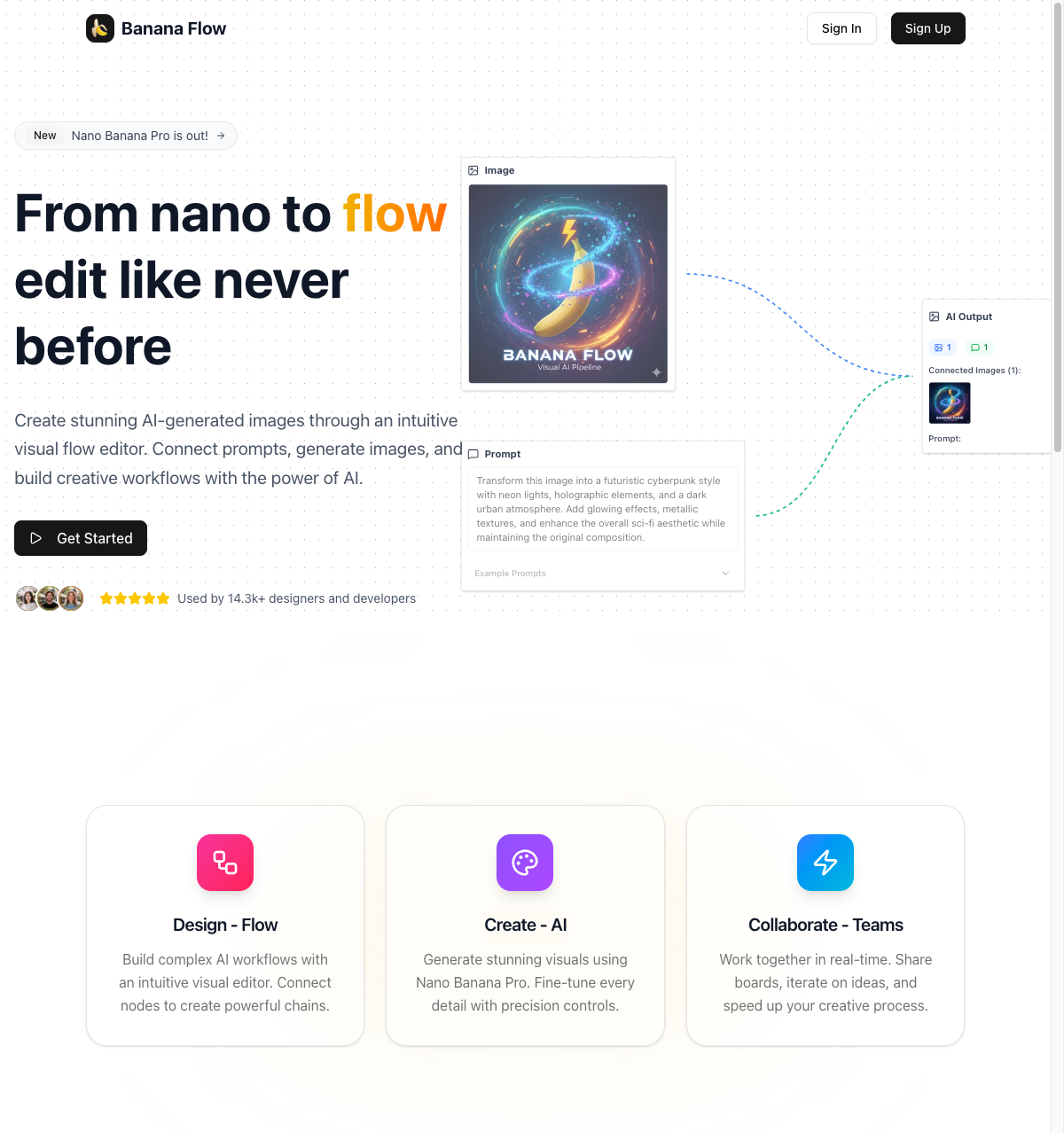
AI Banana Flow
Web

SG Passport Photo
Web
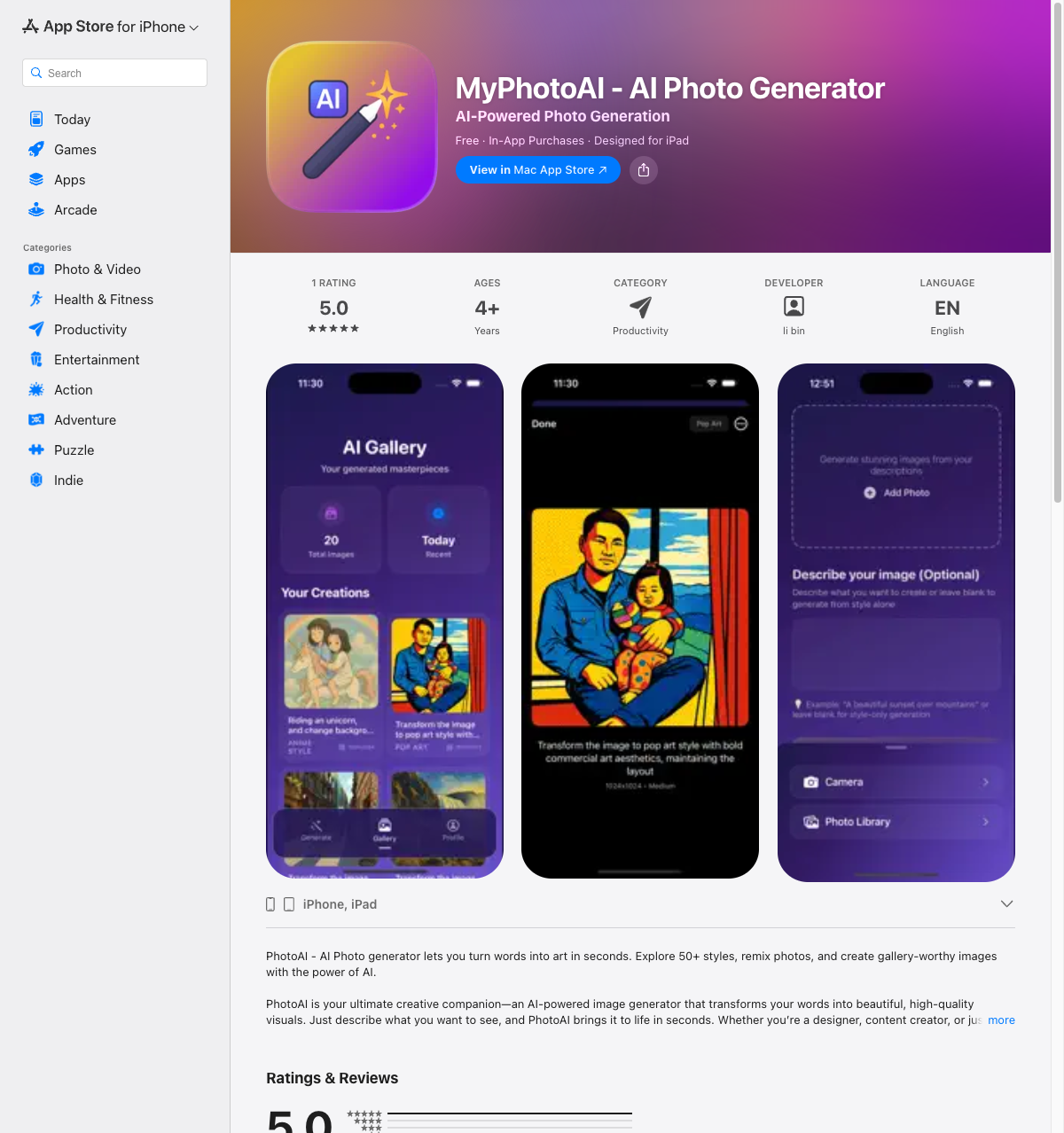
MyPhotoAI
iOS
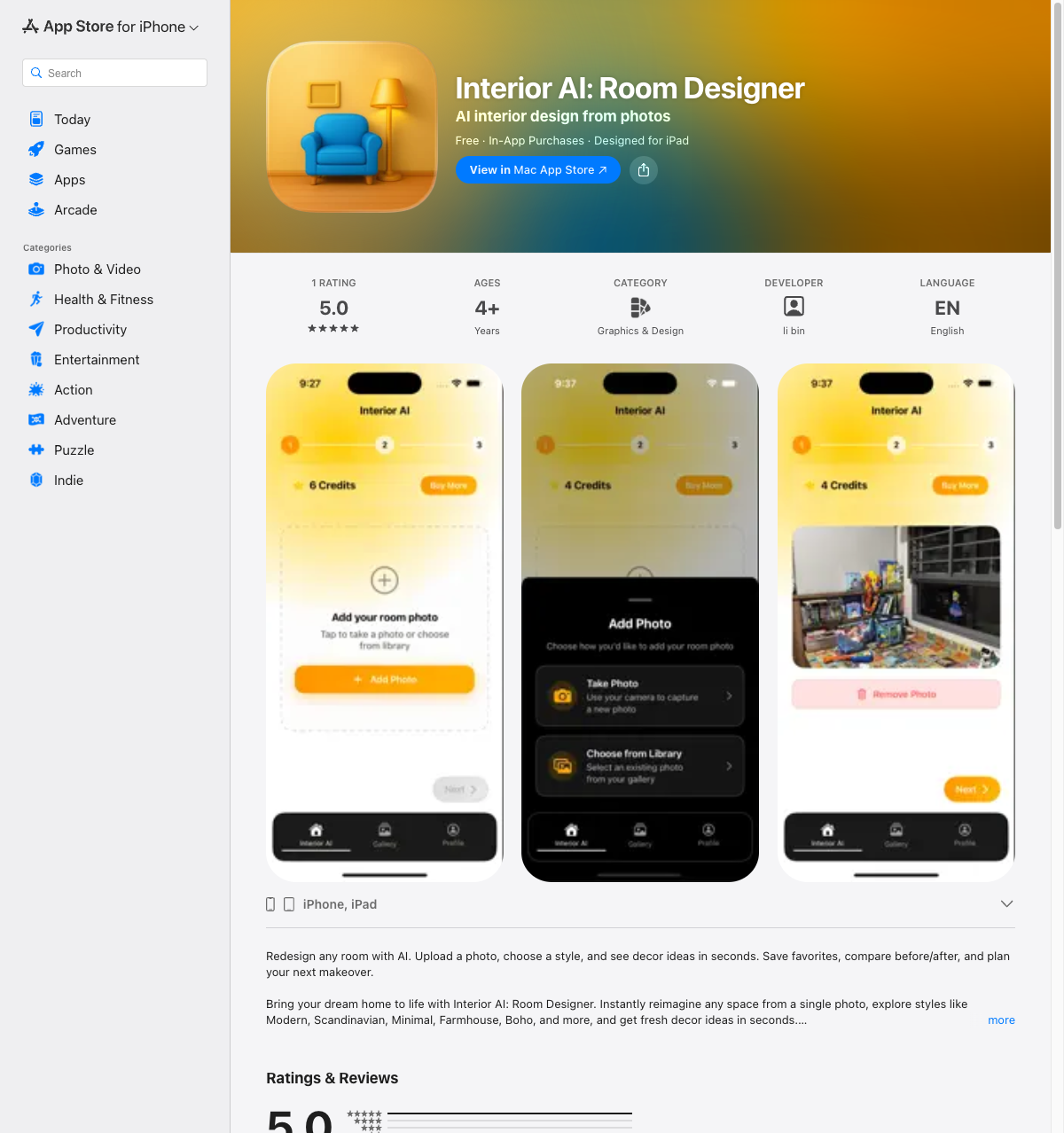
Interior AI: Room Designer
iOS